

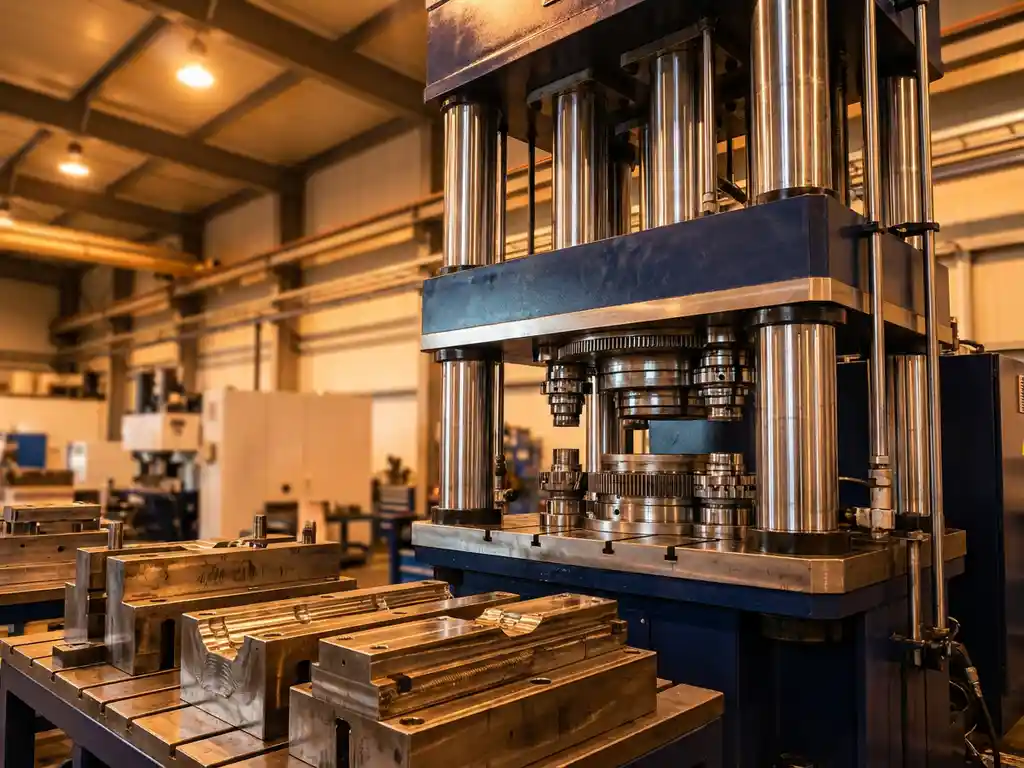
What factors determine mechanical press pricing in 2026?
Mechanical press cost is determined by tonnage capacity, frame construction, automation level, precision requirements, and manufacturer service concept. Press machines typically range from $50,000 for basic models to over $2 million for high-capacity, automated systems, with most industrial applications falling between $600,000 and $900,000.
The primary cost driver is tonnage capacity, as higher force requirements demand more robust frames, larger motors, and stronger components. Frame construction significantly impacts manufacturing equipment cost, with gap-frame presses generally being more affordable than straight-side designs, which offer superior rigidity and precision. Automation features such as programmable controls, servo feeds, and integrated safety systems can add 30% to 50% to the base press machine price.
Additional factors include stroke length, speed capabilities, bed size, and specialized tooling requirements. Geographic location affects pricing due to shipping costs and local service availability, while lead times can influence final costs during periods of high demand.
How much do different types of mechanical presses cost?
Gap-frame mechanical presses cost $50,000 to $300,000, straight-side presses range from $200,000 to $1.5 million, and transfer presses typically cost $800,000 to $3 million, depending on tonnage and automation level. Specialized metal-forming press costs vary significantly based on application requirements and production-volume needs.
Gap-Frame Press Pricing
Gap-frame presses offer the most economical entry point for metal-forming operations. Small 20- to 50-ton units suitable for light stamping work start around $50,000 to $80,000, while mid-range 100- to 200-ton models typically cost $120,000 to $200,000. Heavy-duty gap-frame presses exceeding 300 tons can reach $250,000 to $300,000.
Straight-Side Press Investment
Straight-side presses command higher industrial press pricing due to their superior rigidity and precision capabilities. Entry-level 100- to 200-ton models start with Hydraulics around $200,000 to $350,000, while 400- to 800-ton production presses range from $1.500,000 to $1.900,000. High-capacity units exceeding 1,000 tons often surpass $3 million.
Specialized Press Systems
Transfer presses represent the premium segment, with multi-station systems starting around $800,000 and complex automotive production lines reaching $2 million to $3 million. Mechanical presses for specialized applications like cupping fall into custom pricing categories based on specific application requirements.
What’s the difference between mechanical and servo press costs?
Servo presses typically cost 40% to 80% more than comparable mechanical presses, with the premium ranging from $100,000 to $500,000 depending on tonnage. However, servo technology often provides better ROI through energy savings, reduced tooling wear, and improved part quality that can offset the higher manufacturing press price.
The initial press machine investment difference stems from servo presses requiring sophisticated motor systems, advanced controllers, and precision feedback mechanisms. A 400-ton hydraulic press might cost $400,000, while an equivalent servo press will cost $1.650,000 to $2.000,000. This mechanical press budget consideration must factor in long-term operational benefits.
Servo presses deliver energy savings of 20% to 50% compared to mechanical systems, as motors consume power only during actual forming operations. Advanced servo technology provides unmatched precision control that reduces material waste and extends die life, ultimately lowering production costs despite higher upfront investment.
How do you calculate the total cost of owning a mechanical press?
Total mechanical press cost includes the purchase price, installation (10% to 15% of machine cost), annual maintenance (3% to 5% of purchase price), energy consumption, tooling, and operator training. Over a 15-year lifecycle, operating costs typically equal 80% to 120% of the initial press machine price, making total cost of ownership analysis crucial for budgeting.
Installation costs encompass foundation work, electrical connections, and safety systems, typically adding $30,000 to $150,000 depending on press size and facility requirements. Annual maintenance averages $10,000 to $40,000 for most industrial applications, while energy costs vary based on usage patterns and local utility rates.
Factor in tooling costs, which can range from $50,000 to $500,000 depending on part complexity and production volumes. Training expenses, insurance, and potential downtime costs complete the total cost picture. Modern presses with integrated diagnostics help minimize unexpected maintenance expenses and extend operational life.
What financing options are available for mechanical press purchases?
Manufacturing equipment cost can be financed through equipment loans, leasing programs, SBA loans, and manufacturer financing, with terms typically ranging from 3 to 7 years at 4% to 12% interest rates. Many suppliers offer flexible payment structures, including lease-to-own options, that preserve working capital while providing immediate production capabilities.
Traditional equipment financing covers 80% to 100% of industrial press pricing, with competitive rates for established manufacturers. Leasing options often require lower down payments and can include maintenance packages, making them attractive for companies managing cash flow or testing new production capabilities.
Government programs such as SBA 504 loans can finance up to 90% of equipment costs at favorable rates for qualifying small manufacturers. Some equipment manufacturers offer direct financing or partnership programs that streamline the approval process and align payment terms with production ramp-up schedules.
When should you invest in a higher-priced mechanical press?
Invest in higher-priced mechanical presses when production volumes exceed 50,000 parts annually, tight tolerances are critical, or when total cost of ownership analysis shows long-term savings through improved efficiency and reduced maintenance. A premium press machine investment typically pays off within 3 to 5 years in high-volume applications.
Higher-capacity presses with advanced automation become cost-effective when labor costs, quality requirements, or production speeds justify the additional mechanical press budget allocation. Applications requiring consistent part quality, minimal setup times, or integration with automated material-handling systems benefit significantly from premium equipment features.
Consider the competitive advantage of superior equipment in winning new business or improving margins on existing contracts. Advanced press systems often enable the production of more complex parts, entry into new markets, or achievement of automotive-industry quality standards that command premium pricing, making the higher initial investment strategically valuable.
How H&T ProduktionsTechnologie helps with mechanical press investment decisions
H&T ProduktionsTechnologie provides comprehensive solutions that maximize the value of your mechanical press investment through innovative technology and expert guidance. Our approach ensures you make informed decisions that align with your production goals and budget requirements:
- Custom press configurations tailored to your specific tonnage, automation, and precision requirements
- Advanced servo spindle technology that reduces energy consumption by up to 50% while improving part quality
- Precision and flexibility are always included
- Comprehensive lifecycle cost analysis to optimize your total cost of ownership
- Flexible financing options and payment structures that preserve your working capital
- Complete installation, training, and ongoing maintenance support to minimize downtime
Ready to explore how the right press can transform your production capabilities? Contact us today for a personalized consultation and discover how H&T ProduktionsTechnologie can help you achieve maximum ROI on your press investment.
