

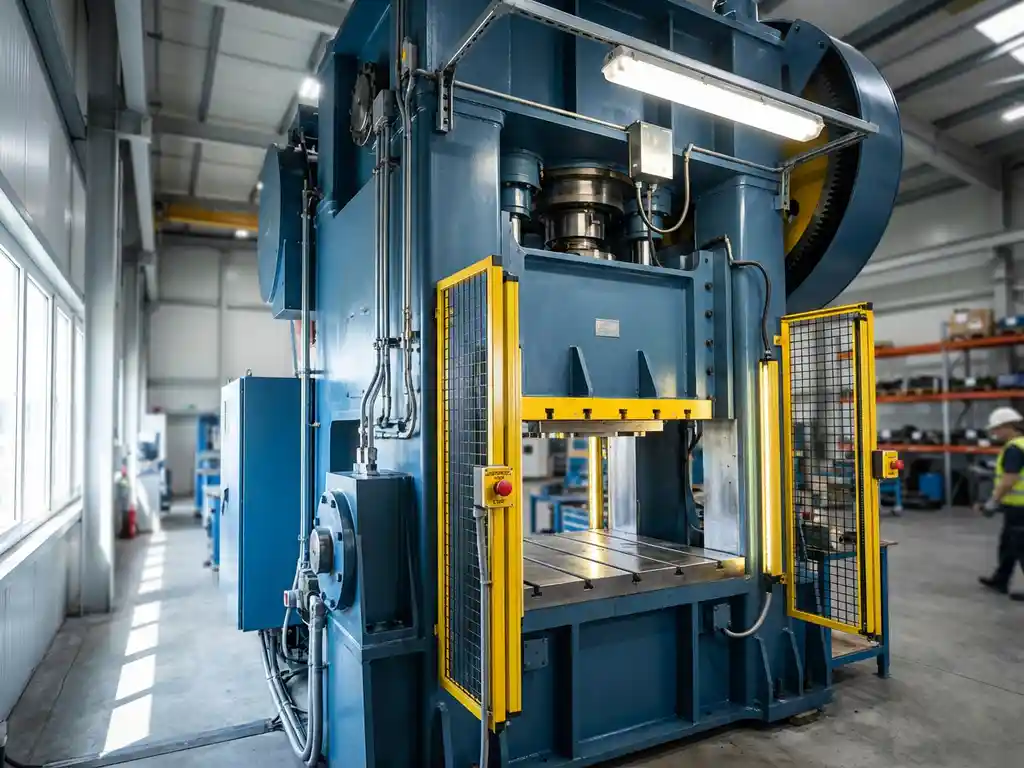
What Are the Most Critical Safety Features for Mechanical Presses?
The most critical safety features for mechanical presses include emergency stop systems, light curtains or safety barriers, two-hand control systems, and proper guarding mechanisms. These mechanical press safety features work together to prevent operator injuries by controlling access to dangerous areas and providing immediate shutdown capabilities when hazards are detected.
Beyond these primary systems, modern press safety systems incorporate pressure-sensitive mats around the work area, safety relays that monitor all protective devices, and lockout/tagout mechanisms for maintenance procedures. Pull-back restraints and presence-sensing devices add additional layers of protection, ensuring operators cannot reach into the die area during operation. Regular inspection and maintenance of these safety components are essential, as any failure could compromise the entire protection system and put operators at risk.
How Do Light Curtains Protect Press Operators?
Light curtains protect press operators by creating an invisible barrier of infrared light beams that immediately stops the press when broken by any object entering the danger zone. These manufacturing safety equipment systems detect interruptions in the light pattern within milliseconds, triggering an emergency stop before the operator can reach the hazardous die area.
The effectiveness of light curtains depends on proper installation height, beam spacing, and response-time calculations. Most industrial press safety applications require light curtains with beam spacing of 14 mm to 30 mm, depending on the specific risk assessment. Advanced light curtains feature self-monitoring capabilities that continuously verify beam integrity and immediately signal any malfunctions. When integrated with the press control system, they provide reliable protection while allowing efficient material handling and part removal without compromising operator safety.
What’s the Difference Between Mechanical and Servo Press Safety Systems?
Servo press safety systems offer more precise control and faster response times than traditional mechanical press safety systems, thanks to their ability to instantly stop, reverse, or adjust ram position. While mechanical presses rely on clutch/brake systems that require a complete cycle to stop, servo presses can halt motion immediately at any point in the stroke.
Mechanical press safety systems typically focus on preventing access during operation, since the flywheel’s stored energy makes instant stopping impossible. These systems emphasize robust barriers, timing controls, and cycle monitoring. In contrast, servo press safety systems can implement more sophisticated protection strategies, including adaptive safety zones that change based on ram position and programmable safety functions that adjust protection levels throughout the forming cycle. Advanced servo technology enables more flexible safety configurations while maintaining the reliability that operators depend on for consistent protection.
How Should Emergency Stop Systems Be Configured on Metal Forming Presses?
Emergency stop systems on metal forming presses should be configured with multiple, easily accessible E-stop buttons positioned around the work area, hardwired safety circuits that bypass programmable controls, and immediate power disconnection to all hazardous motions. The system must meet Category 3 or 4 safety standards, with redundant monitoring circuits to ensure reliable operation.
Proper metal forming safety requires E-stop buttons within arm’s reach of every operator position, including material loading areas, die setup locations, and maintenance access points. The emergency stop circuit should directly control safety contactors and brake systems, ensuring the press stops even if the main control system fails. Reset procedures must require deliberate action at each E-stop location, preventing accidental restart. Additionally, the system should integrate with other safety devices, such as light curtains and pressure mats, creating a comprehensive press machine protection network that responds to any detected hazard condition.
What Safety Training Do Press Operators Need?
Press operator safety training must cover hazard recognition, proper use of all safety devices, lockout/tagout procedures, and emergency response protocols. Operators need comprehensive instruction on point-of-operation hazards, proper material handling techniques, and the critical importance of never bypassing or defeating safety systems.
Effective training programs include hands-on practice with safety equipment, regular refresher sessions, and specific instruction on the press models operators will use. Training should emphasize the physics of press operation, helping operators understand why safety procedures exist and the consequences of shortcuts. New operators require supervised practice periods before working independently, while experienced operators need updates on new safety technologies and regulatory changes. Documentation of all training is essential for compliance, and operators should demonstrate competency through both written and practical assessments before certification on specific press equipment.
How H&T ProduktionsTechnologie Ensures Comprehensive Press Safety
H&T ProduktionsTechnologie provides complete safety solutions for mechanical and servo press operations through integrated safety systems that exceed industry standards. Our comprehensive approach includes:
• Advanced light curtain systems with self-monitoring capabilities and programmable safety zones
• Redundant emergency stop circuits with Category 4 safety ratings for maximum reliability
• Custom safety training programs tailored to specific press models and operational requirements
• Regular safety audits and compliance assessments to ensure ongoing protection
• 24/7 technical support for all safety-critical components and systems
Don’t compromise on operator safety – contact our safety experts today to discuss how we can enhance your press safety systems and ensure full regulatory compliance for your facility.
